
Quality Thatch Material Pricing Guide – Complete Prices in Pretoria, East, North, Centurion, Midrand, Johannesburg, Sandton & Gauteng
Have you thought about the real cost of your dream thatched roof in 2026? Our Quality Thatch Material Pricing Guide gives you transparent cost information and reliable supplier options so you know exactly what you’ll spend.
At Handyman Pretoria, we’ve helped many homeowners across Gauteng understand professional thatch cost analysis. Our team knows exactly what authentic roof installations should cost today. We share this knowledge freely with every client.
Complete installations currently range between R400 and R600 per square metre throughout South Africa. The material you choose makes a big difference to your investment. Quality options vary significantly in both price and performance.
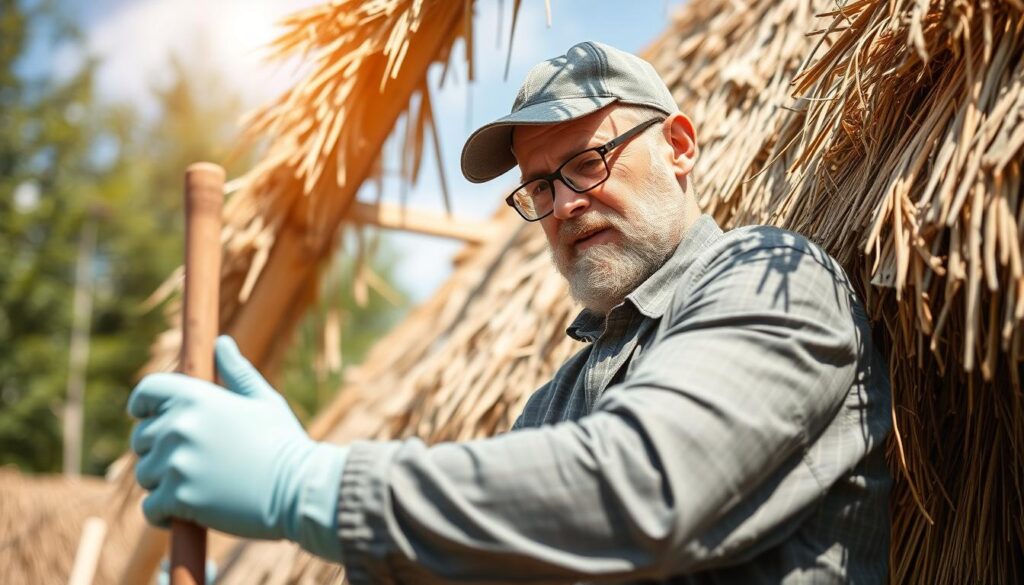
Water Reed typically costs R250-R320 per m². Cape Reed ranges from R300-R400 per m². Premium options can reach R700 per square metre for exceptional projects.
We simplify your budget planning with straightforward information about bundles and labour expenses. Our comprehensive cost estimation covers residential homes and commercial developments. You’ll make informed decisions about your investment with our guidance.
Discover how to achieve outstanding value without compromising authenticity or durability. Your property deserves the best materials at fair prices – Contact Us
Understanding Thatch Material Types and Costs Across Our Service Areas – Quality Thatch Material Pricing Guide
Pretoria, Centurion, Midrand, Johannesburg, and Sandton offer diverse thatching materials to match your budget and style. At Handyman Pretoria, we’ve worked with nearly every thatch type available on the market. We’re passionate about helping you understand exactly what you’re investing in.
Each material brings its own character, durability, and pricing to your roofing project. Selecting the right thatch means balancing several factors—initial costs, lifespan, maintenance needs, and visual appeal. We believe informed clients make the best decisions.
That’s why we provide transparent, comprehensive pricing information. Our experience across Gauteng has taught us that material quality directly influences satisfaction and long-term value.
We’ll explore three main categories of thatching materials we supply and install. You’ll discover detailed water reed thatch material costs, traditional craft thatch pricing, and sustainable thatching material rates. Our goal is to equip you with the knowledge needed to choose materials perfectly suited to your project.
Premium Water Reed and Norfolk Reed Pricing
Water reed and Norfolk reed consistently emerge as gold standard thatching options. These materials deliver exceptional durability and weather resistance that justify their higher initial investment. Water reed, harvested from carefully managed wetlands, possesses a dense cellular structure that naturally repels moisture.
Current reed thatch pricing ranges from R250 to R320 per square metre for standard commercial grades. Premium quality reed bundles command higher prices, typically between R500 and R700 per square metre. These top-tier materials can last 40 to 50 years with appropriate maintenance.

Norfolk reed thatch pricing reflects the material’s exceptional characteristics—uniform thickness, remarkable straightness, and outstanding durability. This reed variety, traditionally sourced from the Norfolk Broads, has earned its reputation through centuries of proven performance. We’ve installed Norfolk reed on heritage restoration projects and luxury residential properties across our service areas.
Quality grades range across three primary categories. Commercial grade materials suit temporary structures or budget-conscious projects where longevity isn’t the primary concern. Residential grade represents the standard for most home applications, offering excellent performance at moderate pricing.
Heritage grade, specified for conservation projects and premium installations, provides the highest quality and authenticity. Each quality grade affects pricing by approximately R50 to R100 per square metre. At Handyman Pretoria, we help you understand these distinctions so you can select the grade matching your requirements.
| Material Type | Quality Grade | Price Range (per m²) | Expected Lifespan | Best Applications |
|---|---|---|---|---|
| Water Reed | Commercial | R250 – R320 | 30-35 years | Garden structures, temporary buildings |
| Water Reed | Residential | R350 – R450 | 35-45 years | Standard homes, permanent structures |
| Water Reed | Premium/Heritage | R500 – R700 | 40-50 years | Luxury homes, conservation projects |
| Norfolk Reed | Premium | R480 – R650 | 40-50 years | Heritage buildings, high-end residential |
Understanding bundle requirements helps you calculate accurate project costs. Proper installation typically requires approximately 95 bundles per square metre. This varies based on pitch angle and desired thickness.
Bulk pricing discounts become available for larger orders, potentially reducing costs by 10 to 15 per cent. Discounts apply when you purchase 500 bundles or more.
Seasonal variations influence pricing throughout the year. Reed harvesting follows natural cycles, with prices typically most competitive during peak harvest periods between late autumn and early spring. We monitor these seasonal patterns and advise clients on optimal ordering times.
Specialist supplier pricing also reflects factors like storage conditions, treatment applications, and logistics. Materials stored in climate-controlled facilities maintain better quality but command slightly higher prices. Fire-retardant treatments, whilst adding R80 to R150 per square metre, provide essential safety compliance.
We always emphasise total cost of ownership rather than just initial outlay. Higher-grade materials require less frequent replacement and typically need fewer repairs. This translates to lower long-term maintenance expenses and better overall value.
Combed Wheat Reed and Longstraw Thatch Rates
Traditional thatching materials hold a special place in South African architectural heritage. Combed wheat reed and longstraw thatch represent time-honoured approaches to roofing that create distinctive, characterful appearances. These materials have adorned buildings across our regions for generations.
Material-only costs typically range from R350 to R500 per square metre for quality-graded wheat reed. Complete installation projects, including skilled labour, generally cost between R400 and R600 per square metre. This depends on project complexity and access considerations.
Wheat reed delivers excellent insulation properties, creating naturally breathable roof coverings that maintain comfortable interior temperatures. Homes with wheat reed thatching stay noticeably cooler during scorching summer months and warmer during winter. This can potentially reduce energy costs by up to 30 per cent.
Longstraw thatch material expenses reflect both the material characteristics and the specialised craftsmanship required for proper installation. Longstraw, where entire wheat stalks are used without combing, creates deeply textured roofs with a distinctive appearance. This traditional material typically costs R380 to R550 per square metre for materials.
Artisan installation adds R200 to R300 per square metre. Combed wheat reed undergoes meticulous processing where stalks are combed to remove leaves and seed heads. This labour-intensive preparation ensures superior quality and consistency.
| Material Type | Material Cost (per m²) | Installation Cost (per m²) | Total Project Cost | Typical Lifespan |
|---|---|---|---|---|
| Combed Wheat Reed (Standard) | R350 – R450 | R150 – R200 | R500 – R650 | 25-30 years |
| Combed Wheat Reed (Premium) | R450 – R500 | R150 – R200 | R600 – R700 | 30-35 years |
| Longstraw Thatch | R380 – R550 | R200 – R300 | R580 – R850 | 25-30 years |
| Blended Traditional | R400 – R480 | R180 – R250 | R580 – R730 | 28-32 years |
Quality bundle pricing varies based on several factors that affect material performance. Growing conditions, harvesting methods, and processing techniques all influence the final product quality. Wheat grown in optimal conditions produces stronger, more durable thatching material.
Artisan suppliers often provide handcrafted bundles prepared using traditional methods rather than mechanical processing. These materials typically command prices 20 to 25 per cent above machine-processed alternatives. However, the superior quality and craftsmanship justify this investment for clients seeking authentic traditional results.
Locally sourced wheat reed from South African wheat-growing regions often provides cost advantages over imported options. You can potentially save R50 to R100 per square metre whilst supporting local agriculture. This also reduces transportation environmental impacts.
Maintenance considerations influence the true cost of traditional thatching over time. These materials typically offer 25 to 35 year lifespans when properly maintained. Ridge work requires renewal every 10 to 15 years.
Ridge re-thatching every 5 to 7 years helps maintain roof integrity and extends overall lifespan. This adds approximately R150 to R200 per linear metre to maintenance budgets.
The expertise of your thatcher significantly impacts material performance and longevity. At Handyman Pretoria, we’re proud to work with experienced specialists throughout the Gauteng region. They honour traditional techniques whilst incorporating modern best practices.
Sustainable and Imported Thatch Material Options
The thatching industry is evolving rapidly towards environmental responsibility. We’re excited to guide you through the expanding range of eco-friendly options available. These options allow you to create beautiful roofs whilst minimising ecological impact.
Cape Reed stands as South Africa’s premier sustainable thatching material, harvested from indigenous wetlands with careful management. This locally sourced material delivers exceptional value, with rates typically ranging from R300 to R400 per square metre. Pretoria and Gauteng pricing generally sits at R300 to R350 per square metre.
Cape Reed offers a 25 to 30 year lifespan, natural fire resistance properties, and outstanding insulation performance. African Cape Thatching Reed specifically provides temperature regulation advantages that can outperform imported alternatives by up to 10 degrees. This creates more comfortable interior environments whilst reducing heating and cooling costs.
Hyparrhenia Hirta, commonly known as common thatching grass, represents another excellent sustainable local option. Particularly popular in Johannesburg and surrounding areas, this indigenous grass species grows naturally across South Africa’s grasslands. Material costs range from R270 to R330 per square metre.
Imported thatch material rates reflect not just base material costs but also transportation, import duties, and logistics expenses. Premium European reeds, particularly from Turkey, Hungary, and Romania, offer specific characteristics sometimes unavailable in local materials. Turkish water reed, renowned for exceptional straightness and density, commands prices of R550 to R750 per square metre.
These rates include transport additions of R50 to R150 per square metre depending on origin and shipping arrangements. For heritage conservation projects requiring specific material characteristics or historical accuracy, this investment may be entirely justified. We help clients evaluate whether imported materials genuinely provide advantages that warrant the premium pricing.
| Material Category | Specific Type | Price Range (per m²) | Carbon Footprint | Key Advantages |
|---|---|---|---|---|
| Sustainable Local | Cape Reed | R300 – R350 | Very Low | Fire resistance, temperature control, local sourcing |
| Sustainable Local | Hyparrhenia Hirta | R270 – R330 | Very Low | Indigenous species, sustainable harvest, authenticity |
| Sustainable Premium | Restio Species | R350 – R400 | Low | Fine texture, weather resistance, distinctive appearance |
| Imported Premium | Turkish Water Reed | R550 – R750 | High | Exceptional density, straightness, heritage compliance |
| Imported Speciality | European Norfolk Reed | R580 – R800 | High | Conservation projects, historical accuracy, premium grade |
Certified thatch material pricing reflects environmental and sustainability certifications that provide assurance of responsible sourcing. Materials certified by environmental organisations may carry premiums of 10 to 15 per cent above non-certified alternatives. However, these certifications offer valuable peace of mind regarding ecological impact.
Fire-retardant treatments are essential for safety and insurance compliance. These treatments cost R80 to R150 per square metre. Modern formulations provide effective fire protection without compromising the natural, breathable properties that make thatch so appealing.
Conservation grade thatch materials represent the premium end of sustainable and heritage thatching options. These materials, specified for heritage building restoration or historically significant structures, cost R450 to R650 per square metre. Conservation grade roofing thatch meets strict specifications regarding appearance, authenticity, and historical accuracy.
Eco-friendly thatching material prices also reflect processing methods and treatment applications. Materials processed using environmentally responsible techniques may command slight premiums. We believe these investments support industry sustainability whilst delivering products that perform beautifully.
Sustainable heritage thatch materials bridge the gap between environmental responsibility and historical authenticity. These options allow conservation projects to meet sustainability goals without compromising architectural integrity. Heritage craft thatch pricing for these specialised materials ranges from R420 to R580 per square metre.
At Handyman Pretoria, we’re committed to helping you balance sustainability goals, performance requirements, aesthetic preferences, and budget constraints. We provide comprehensive comparisons of eco-friendly thatch roofing solutions, highlighting long-term value propositions alongside initial costs. Sustainable materials often deliver superior overall value when you consider environmental impact, performance, and longevity together.
Conservation thatch material rates vary based on project-specific requirements and conservation authority specifications. We work closely with heritage organisations and conservation bodies to ensure materials meet all necessary standards whilst remaining within project budgets. Our expertise positions us uniquely to guide you through these specialised material selections.
Quality Thatch Material Pricing Guide: Regional Differences and Investment Factors
Understanding regional thatch pricing differences helps you secure exceptional value whilst accessing premium materials. Your location within Gauteng significantly influences what you’ll invest in quality thatching projects. Each suburb and city presents unique market characteristics affecting everything from thatch material supplier quotes to delivery logistics.
Understanding these geographical nuances empowers you to make confident purchasing decisions. Pricing patterns across Pretoria, Centurion, Midrand, Johannesburg, and Sandton provide transparent cost guidance. This detailed breakdown reveals where you can optimise your budget without compromising on quality or craftsmanship.
Capital City Market Rates and Supplier Networks
Pretoria represents a competitive market where numerous established suppliers create pricing advantages for informed buyers. Complete thatch roof installation projects here typically range from R500 to R600 per square metre. This comprehensive figure includes both materials and professional thatch installation costs from certified thatchers.
Material-only pricing in Pretoria shows interesting variations worth understanding. Water Reed costs between R250 and R300 per square metre. Cape Thatch ranges from R300 to R350 per square metre.
Premium imported materials can reach R400-R500 per square metre before any installation work begins.
Labour costs form a substantial portion of your overall investment. Pretoria thatchers generally charge R300-R450 per square metre for their expertise. These rates reflect skill level, project complexity, and current seasonal demand patterns.
Detailed thatch material supplier quotes from across the Pretoria region reveal important pricing information. Research shows pricing variations reaching 15-20% between suppliers for comparable products. This significant spread demonstrates why obtaining multiple quotes proves essential for budget optimisation.
| Material Type | Material Cost (per m²) | Labour Cost (per m²) | Total Installation (per m²) |
|---|---|---|---|
| Water Reed | R250-R300 | R300-R400 | R550-R700 |
| Cape Thatch | R300-R350 | R300-R450 | R600-R800 |
| Premium Imported | R400-R500 | R350-R450 | R750-R950 |
| Combed Wheat Reed | R280-R330 | R300-R420 | R580-R750 |
Centurion shares similar pricing structures with Pretoria due to geographic proximity and shared supplier networks. However, this sophisticated suburb often demands premium materials and custom design work. Projects in exclusive estates like Centenary or Midstream may add R50-R100 per square metre.
Thatch material delivery charges represent an often-overlooked expense that impacts your total budget. Within Pretoria and Centurion, suppliers typically charge R2,000-R5,000 for material delivery. Order quantity significantly affects these costs, with larger orders qualifying for reduced per-unit delivery rates.
Supplier location influences delivery pricing considerably. Agricultural-area suppliers may charge more for urban delivery compared to those based within city limits. Site accessibility also matters—restricted access locations or multi-storey applications often incur additional handling charges ranging from R500 to R1,500.
Both markets benefit from proximity to major reed processing facilities and thatching material suppliers. This local sourcing advantage reduces transport expenses whilst enabling easier quality inspection opportunities. You can visit supplier yards to personally assess materials before committing to purchase.
Professional installation costs reflect the availability of skilled, certified thatchers throughout these regions. Consider certification status through professional thatching associations when evaluating quotes. Portfolio reviews of completed projects indicate relevant expertise for your specific requirements.
Residential thatch roofing costs in these areas also factor in municipal requirements and building regulations. Engineering certifications for structural support typically cost R3,000-R8,000. Fire safety compliance documentation and formal building plan approvals add further administrative expenses.
Seasonal variations affect pricing throughout the year. Peak building season from September through April typically sees labour costs increase 10-15% due to heightened demand. Quieter winter months may offer opportunities for negotiated rates with contractors seeking to maintain workflow.

Metropolitan Area Pricing Dynamics and Premium Markets
Johannesburg presents a robust thatching market with complete installation costs typically ranging from R500 to R600 per square metre. The city’s diverse architectural landscape creates demand across various material types and price points. Heritage properties in suburbs like Parktown require different solutions than modern developments in northern areas.
Material costs in Johannesburg show slight premiums compared to Pretoria equivalents. Water Reed costs R270-R320 per square metre, approximately R20 more than capital city pricing. Hyparrhenia Hirta ranges from R280 to R330 per square metre, reflecting Johannesburg’s higher operational costs.
These modest increases reflect supplier overheads, transport expenses within the congested metropolitan area, and generally higher business costs. Labour rates similarly trend upward, with experienced thatchers charging R350-R500 per square metre depending on project complexity.
Location within sprawling Johannesburg significantly affects quotes. Projects in established northern suburbs like Fourways, Bryanston, or Lonehill typically command mid-range pricing. Work in more remote southern or eastern suburbs may incur additional travel charges of R500-R1,500.
Midrand occupies a unique strategic position between Pretoria and Johannesburg along the N1 corridor. This geography creates competitive pricing dynamics that benefit buyers. Complete thatch installation material costs here range from R450 to R600 per square metre.
The lower end of this spectrum often becomes achievable because suppliers from both neighbouring cities compete for business. Midrand’s concentration of corporate parks and business estates creates significant demand for commercial applications. Lapa structures for office parks, entertainment venues, and hospitality establishments represent substantial project opportunities.
Commercial thatch material rates benefit from bulk pricing and repeat business opportunities. These factors can reduce per-square-metre costs by 10-20% compared to residential projects. Numerous commercial installations have been completed, leveraging supplier relationships to secure competitive rates.
Sandton represents the premium end of Gauteng’s thatching market, reflecting this affluent area’s luxury property sector. Standard installations start around R550 per square metre but frequently reach R650-R700 per square metre. Truly luxury thatch material pricing for custom installations commands R700-R850 per square metre or more.
| Location | Standard Installation (per m²) | Premium Projects (per m²) | Luxury Custom (per m²) |
|---|---|---|---|
| Johannesburg | R500-R600 | R600-R700 | R700-R800 |
| Midrand | R450-R550 | R550-R650 | R650-R750 |
| Sandton | R550-R650 | R700-R800 | R800-R950 |
| Average Difference | Base pricing | +15-20% | +30-40% |
Several factors drive these premium Sandton prices. Clients typically specify premium imported materials and custom design features that integrate with high-end contemporary architecture. Properties in exclusive estates like Dainfern, Blue Hills, or Steyn City require compliance with stringent architectural guidelines.
Estate security protocols add administrative and logistical costs to every project. The expectation for impeccable finishing and perfect execution demands the most experienced thatchers. Their services command top rates that reflect years of specialised training and proven expertise.
Luxury projects often include bespoke thatch material solutions like custom ridge designs. These architectural elements add R150-R300 per linear metre to project costs. Integrated lighting systems within thatch structures range from R5,000 to R15,000 depending on complexity.
Specialised waterproofing systems beyond standard treatments cost an additional R100-R200 per square metre. Architectural consultation services for luxury projects typically range from R3,000 to R10,000 per project. These investments ensure your thatched roof becomes a stunning architectural statement.
Heritage building material costs across all three markets typically run 20-30% above standard options. Specific sourcing requirements, authentication needs, and conservation-grade specifications drive these premiums. Johannesburg’s historically significant properties require authentic heritage thatch materials and specialist craftspeople familiar with restoration techniques.
Seasonal thatch pricing variations affect these markets differently. Sandton’s luxury sector shows less price sensitivity to seasonal fluctuations compared to broader Johannesburg and Midrand markets. Budget-conscious buyers can capitalise on off-season pricing advantages in these more price-responsive markets.
Commercial projects exceeding 500 square metres benefit from economies of scale. Conference venues, lodges, and restaurants with thatched features typically secure 15-25% discounts on material costs. Reduced per-square-metre labour rates make large commercial installations surprisingly cost-effective.
Strategic Investment Planning and Cost Optimisation
Understanding the full spectrum of factors influencing your investment empowers strategic decisions that optimise value. Transparent, detailed thatch material cost breakdown information enables confident project planning. Material quality grades represent perhaps the most significant variable in project pricing.
Commercial-grade materials suitable for temporary structures or budget projects cost 20-30% less than residential-grade options. Residential materials in turn cost 15-20% less than heritage or conservation-grade specifications for premium applications. These price differences reflect rigorous selection and preparation processes.
For context, if residential-grade Cape Reed costs R300 per square metre, commercial grade might cost R210-R240. Heritage grade could reach R345-R360 per square metre. Understanding what you’re paying for at each quality level helps you make informed choices.
Project scale dramatically influences per-square-metre costs through material and labour economies. Small projects under 50 square metres typically pay premium rates because suppliers cannot offer bulk discounts. Thatchers cannot optimise efficiency on compact installations.
Medium projects of 100-300 square metres achieve standard market rates. Large projects exceeding 500 square metres can negotiate material discounts of 15-25% and reduced labour rates of 10-15%. Suppliers appreciate large orders whilst contractors can deploy teams more efficiently.
A practical example illustrates these savings. A 50 square metre project might cost R600 per square metre, totalling R30,000. A 500 square metre project might achieve R480 per square metre through bulk pricing, totalling R240,000.
That represents R60,000 in savings despite identical material specifications.
Project complexity and architectural features significantly impact costs beyond simple square metre calculations. A straightforward pitched roof with no valleys or penetrations represents baseline costing. Complex designs featuring multiple roof planes, valleys, dormers, or skylights add R100-R200 per square metre.
Increased installation difficulty and material wastage drive these premiums. Turrets, conical roof sections, and custom thatch roofing material costs may add R250-R400 per square metre. Specific designs influence costing, and modifications can achieve aesthetic goals whilst optimising budget efficiency.
| Cost Factor | Impact Range | Cost Addition | Lifespan/Frequency |
|---|---|---|---|
| Fire-Retardant Treatment | Essential safety | R80-R150 per m² | 10-15 years |
| Structural Reinforcement | Project-specific | R8,000-R15,000 total | One-time |
| Annual Maintenance | Required upkeep | R4-R10 per m² | Yearly |
| Ridge Replacement | Periodic renewal | R5,000-R12,000 | 10-15 years |
| Complete Re-thatching | Full replacement | R30,000-R60,000 | 20-40 years |
Fire-retardant treatments prove essential for safety and insurance coverage. These treatments add R80-R150 per square metre to project costs. Specialised fire-suppressing chemicals create protective barriers that significantly improve fire resistance without compromising natural breathability.
Premium fire treatment systems using advanced formulations cost toward the higher range. However, they offer longer-lasting protection spanning 10-15 years between treatments. Better environmental profiles make these quality assured roofing supplies investments worthwhile for conscientious property owners.
Structural support requirements represent significant additional costs varying based on existing roof framing. Thatch roofing requires robust support to carry material weight, approximately 35-45 kg per square metre when dry. Properties with adequate existing structures may need minimal reinforcement costing R3,000-R5,000.
Those requiring comprehensive upgrades or new truss systems may incur costs of R8,000-R15,000 or more. Engineering assessments typically costing R2,000-R4,000 determine structural requirements before thatch material procurement costs are finalised.
Long-term maintenance costs merit careful consideration in investment analysis. Annual inspections and minor maintenance typically cost R4-R10 per square metre. A 100 square metre roof’s annual maintenance therefore ranges from R400 to R1,000.
More substantial activities include brushing and cleaning every 5-8 years, costing R2,000-R7,000. Ridge replacement every 10-15 years runs R5,000-R12,000. Eventually, complete re-thatching becomes necessary every 20-40 years depending on material type.
For a 100 square metre roof, this major renewal costs R30,000-R60,000. Understanding these lifecycle costs helps you compare thatch’s total cost of ownership against alternative roofing materials. Thatch material investment costs extend well beyond initial installation.
Material lifespan directly influences long-term investment value. Water Reed’s impressive 40-50 year lifespan means higher initial costs of R500-R700 per square metre amortise over many years. Materials lasting only 20-25 years may seem cheaper initially but prove more expensive over time.
Lifecycle cost comparisons show total ownership costs over 30-year periods. These analyses reveal surprising value propositions with premium quality thatching supplies that aren’t apparent from initial pricing alone. Sometimes investing more upfront delivers superior long-term value.
Procurement timing influences costs through seasonal market variations. Material prices typically reach their lowest during post-harvest periods when supply is abundant. Peak building season from late spring through autumn sees prices increase 10-15% due to heightened demand.
Strategic procurement during quieter periods can yield significant savings, particularly for larger projects. Continuous monitoring of these seasonal thatch pricing variations helps identify optimal purchasing windows. Timing your material orders strategically can save thousands on substantial projects.
Quality control and certification add costs but provide valuable assurance. Certified materials from suppliers with
Quality Thatch Material Pricing Guide: Conclusion
We’ve shared essential pricing insights for quality thatch roofing solutions across Pretoria, Centurion, Midrand, Johannesburg, and Sandton. Our quality thatch material pricing guide provides transparent information to support your budgeting decisions.
New installations typically range from R400-R600 per square metre, combining professional thatching quotes for materials and labour. Water Reed costs R250-R320 per m², whilst Cape Reed ranges from R300-R400 per m². Combed Wheat Reed sits between R350-R500 per m².
Labour rates vary from R300-R850 per square metre based on complexity and location.
| Cost Component | Price Range |
|---|---|
| Water Reed (materials) | R250-R320 per m² |
| Cape Reed (materials) | R300-R400 per m² |
| Combed Wheat Reed | R350-R500 per m² |
| Labour costs | R300-R850 per m² |
| Fire treatment | R80-R150 per m² |
| Structural support | R8,000-R15,000 |
| Delivery charges | R2,000-R5,000 |
Quality assured thatch materials combined with expert installation deliver roofs lasting 15-50 years. Our authentic quality thatch solutions ensure your investment provides exceptional long-term value.
Contact Handyman Pretoria today for personalised quotes on premium quality thatching supplies. We’ll help you select quality assured traditional supplies that match your budget, aesthetic preferences, and performance requirements.