
Cost of a Thatched Roof vs. a Tiled or Slate Roof: Find Out Which Option Saves You More in Pretoria, East, North, Centurion, Midrand, Johannesburg, Sandton & Gauteng
Have you wondered about the cost of a thatched roof vs. a tiled or slate roof, and why some South African homes feature stunning thatched roofs while others showcase sleek tiles or elegant slate? The choice goes beyond aesthetics—it’s about understanding financial commitment and maintenance requirements.
Understanding the long-term value each roofing material brings matters for your property investment. Our team guides you through this important decision with clarity and confidence. You might be building a new home in Pretoria or renovating a Cape Dutch masterpiece.
Perhaps you’re simply replacing an ageing roof in Centurion. Understanding the thatched roof cost comparison against tiles helps you make informed choices. Each roofing material serves different architectural styles and climate needs throughout our diverse country.
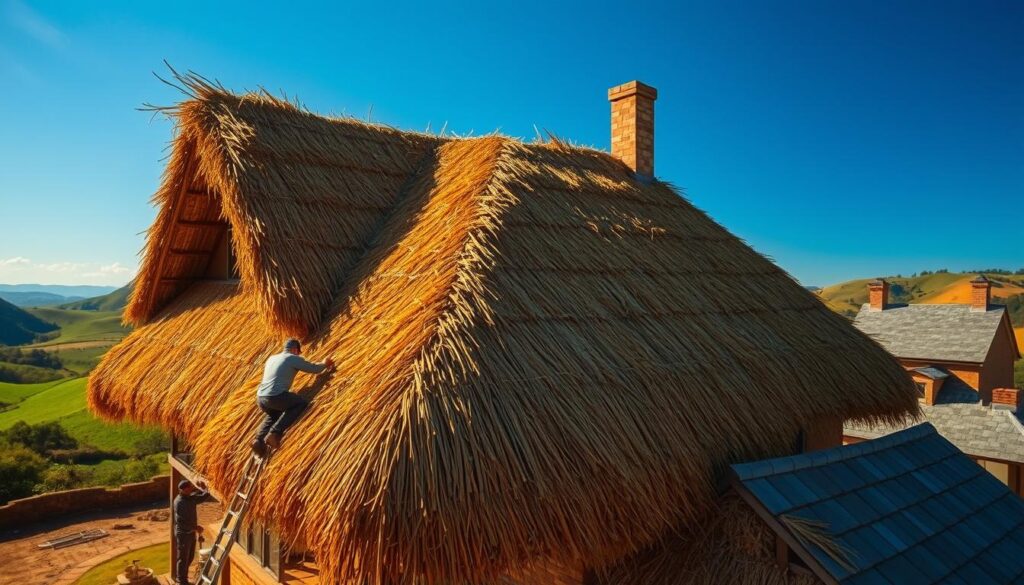
At Handyman Pretoria, we’ve helped countless homeowners navigate these decisions. Our experience across Gauteng and beyond shows that balancing initial investment with longevity expectations creates the best outcomes. Let’s examine what you can expect to invest in each roofing option.
| Roofing Type | Price Range (per m²) | Removal Cost (per m²) |
|---|---|---|
| Thatched Roof | R500 – R800 | R50 – R100 |
| Slate Roof | R700 – R1,000 | R50 – R100 |
| Tile Roof | R500 – R900 | R50 – R100 |
This comprehensive guide unpacks everything you need to know about roofing material costs. We’ll explore installation pricing and regional variations across South Africa. Factors like structural requirements, local climate, and building regulations influence your total investment.
Together, we’ll find the perfect roofing solution for your home and budget – Contact Us
Understanding Your Roofing Options in South Africa – Cost of a Thatched Roof vs. a Tiled or Slate Roof
Let’s explore what makes each roofing material special. We’ll see if it matches your property’s needs and your vision. At Handyman Pretoria, we’ve helped many homeowners across Gauteng choose between thatched, tiled, and slate roofing.
Each material brings its own character and performance advantages. It also has practical considerations that affect your comfort, property value, and maintenance needs.
South Africa’s diverse climate zones create different roofing challenges. The humid KwaZulu-Natal coast differs from the Highveld’s temperature extremes. The Western Cape offers more temperate conditions.
We’ll guide you through three primary roofing options. You’ll learn what works best for different architectural styles, regional conditions, and property types.
You might be planning a thatched roof cottage renovation. Perhaps you’re considering tiles for your new extension. Maybe you’re dreaming of premium slate for your heritage home.
This comprehensive overview gives you the knowledge to make an informed decision.
Traditional Beauty and Natural Insulation
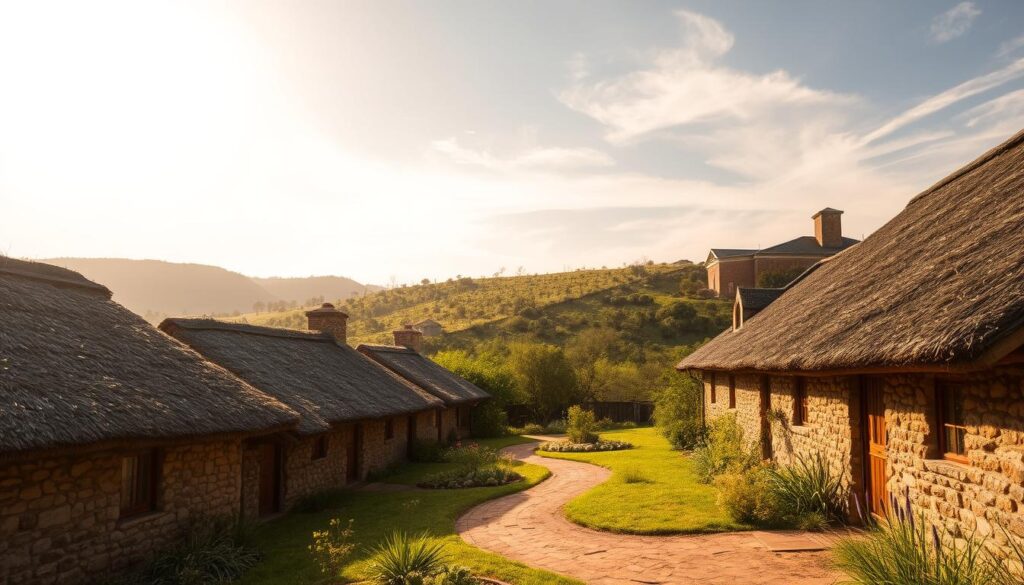
Thatched roofing represents one of South Africa’s most enduring architectural traditions. It graces rustic game lodges and elegant country estates with distinctive organic appeal. We’ve installed and maintained thatched roofs throughout the region.
We can confidently say that nothing quite matches the authentic charm of quality thatching. This time-honoured roofing method uses dried grass, reeds, or specialised materials. It creates a dense, layered covering that delivers remarkable insulation properties.
The thatched roof ecological benefits extend well beyond aesthetics. These roofs use entirely renewable natural materials requiring minimal processing. This results in a significantly lower carbon footprint compared to manufactured alternatives.
When properly sourced, thatching grass is a sustainable resource. It supports rural farming communities across South Africa.
One impressive advantage is the thatched roof breathability advantages that create exceptional indoor comfort. The natural fibres allow moisture to escape whilst providing outstanding thermal regulation. Your home stays cooler during scorching summer months.
It remains warmer during crisp winter nights. Many clients report noticeable reductions in heating and cooling costs after installing thatch.
Thatch excels particularly on thatched roof heritage properties where maintaining architectural authenticity matters. We’ve completed stunning restorations on historic farmhouses and Cape Dutch cottages. We’ve also worked on traditional rondavels where thatch was the only appropriate choice.
“A thatched roof is more than just shelter—it’s a living connection to our architectural heritage that breathes with the seasons.”
However, we always maintain transparency about practical challenges. Thatched roof building regulations vary significantly across South African municipalities. Many urban areas impose restrictions or outright bans due to fire safety concerns.
Before committing to thatch, you’ll need to verify local bylaws. You must secure appropriate thatched roof planning permission.
Fire treatment remains a critical consideration. Modern chemical treatments significantly improve fire resistance. However, they require regular reapplication and affect insurance premiums.
We work with certified thatched roof specialist contractors. They understand these requirements and can guide you through necessary safety protocols.
Maintenance demands your attention too. Thatch requires regular inspections to prevent water penetration. You must deter birds and pests and identify areas needing repair.
The complete re-thatching cycle typically ranges from 15 to 25 years. This depends on material quality, installation expertise, and environmental exposure.
Cost considerations for thatch vary widely based on property type. Thatched roof gazebo pricing for a small garden structure might start around R15,000-R25,000. A complete home roof could range from R180,000 to R450,000 or more.
| Characteristic | Performance | Maintenance Requirement |
|---|---|---|
| Thermal Insulation | Excellent natural regulation (R-value ~4.5-5.0) | No special maintenance needed |
| Environmental Impact | Minimal carbon footprint, fully renewable | Sustainable sourcing verification annually |
| Fire Resistance | Requires chemical treatment | Re-treatment every 3-5 years essential |
| Lifespan | 15-25 years before complete replacement | Annual inspections, minor repairs as needed |
Versatile and Cost-Effective Solutions
Tile roofing has become South Africa’s most popular residential roofing choice. There are excellent reasons for this. We install more tile roofs than any other type at Handyman Pretoria.
They deliver an outstanding balance of durability, aesthetic versatility, and practical affordability. Tiles offer proven performance across all our diverse climate zones.
Let’s distinguish between the two primary tile categories. Concrete tiles represent the more economical option whilst still delivering impressive longevity. They typically last 50+ years with proper installation and maintenance.
Modern manufacturing techniques have expanded tile roof colour options pricing. They now suit virtually any architectural style. Options range from contemporary charcoal and slate grey to traditional terracotta and Tuscan red.
Concrete tiles excel in tile roof wind resistance costs. They’re engineered to withstand powerful winds that sweep across the Highveld and coastal regions. Their interlocking profiles create secure connections that resist uplift.
Their substantial weight provides additional stability during severe weather events.
Clay and terracotta tiles occupy the premium segment of the tile market. They offer exceptional aesthetics and even greater longevity. These often exceed 100 years.
These natural materials bring that coveted Mediterranean or Spanish Colonial appearance. They transform ordinary homes into architectural statements.
The tile roof energy efficiency costs prove remarkably attractive over time. Both concrete and clay tiles provide superior thermal mass. They absorb heat during the day and release it gradually at night.
This natural temperature moderation reduces your reliance on air conditioning and heating. It translates to lower monthly utility bills.
Proper installation requires attention to several technical elements. Tile roof ventilation costs should never be overlooked. Adequate airflow beneath the tiles prevents moisture accumulation that could damage roof timbers.
We always incorporate ridge vents, soffit vents, or specialised tile vents. This ensures optimal air circulation.
Tile roof drainage system costs represent another critical investment. Properly designed and installed gutters and downpipes protect your foundations. They prevent water damage.
We recommend 150mm gutters for most residential applications. We use 110mm downpipes spaced appropriately for your roof area and local rainfall intensity.
Weight considerations cannot be ignored. Both tile types are substantially heavier than alternatives like steel sheeting. They often require robust roof structures or reinforcement of existing frames.
Our structural assessments ensure your building can safely support the load before installation begins.
The versatility of tiles extends to various property applications. Tile roof garage costs typically range from R28,000-R55,000 for a standard double garage. Tile roof extension pricing depends on integration complexity with existing roofing.
We’ve successfully completed countless projects matching new tile installations to existing roofs. This ensures seamless visual continuity.
Tile roof frost resistance performs excellently in South African conditions. Quality tiles are rated to withstand multiple freeze-thaw cycles without cracking or spalling. This makes them ideal for high-altitude regions like Johannesburg, Pretoria, and Bloemfontein.
Winter frost occurs regularly in these areas.
| Tile Type | Lifespan | Key Advantages | Price Range (per m²) |
|---|---|---|---|
| Concrete Tiles | 50+ years | Affordable, diverse colours, excellent weather resistance | R180-R320 installed |
| Clay/Terracotta Tiles | 100+ years | Premium aesthetics, superior thermal properties, natural fire resistance | R380-R650 installed |
| Slate-Look Concrete | 50+ years | Slate appearance at concrete pricing, lightweight alternative | R240-R420 installed |
Premium Quality and Longevity
Slate roofing represents the ultimate investment in roofing excellence. This material is so durable it can genuinely serve your family for multiple generations. We’ve worked on slate roofs that have protected South African homes for over a century.
They’re still performing flawlessly with minimal maintenance. If you’re seeking timeless elegance, unmatched prestige, and extraordinary longevity, slate deserves serious consideration. This is true despite its premium positioning.
The slate roof thermal properties deliver exceptional performance across seasons. Natural stone possesses inherent insulating qualities that moderate temperature fluctuations. Its dense composition provides superior soundproofing.
This is a welcome benefit during Highveld thunderstorms. The material’s low thermal conductivity helps maintain comfortable indoor temperatures with reduced energy consumption.
Welsh slate roofing expenses command the highest prices in the slate category. However, there are compelling reasons for this. Welsh slate from historic quarries like Penrhyn and Blaenau Ffestiniog represents the gold standard.
It’s prized for its uniform colour, fine grain, and legendary durability. These premium slates have graced prestigious buildings worldwide for centuries.
More accessible options exist through imported slate roofing costs from sources like Spain, China, and Brazil. Whilst these alternatives offer substantial cost savings, quality varies considerably. They’re sometimes 40-60% less than Welsh slate.
We always recommend thorough testing and certification verification before committing to imported materials.
The slate roof structural requirements demand careful consideration. They often represent significant additional expense. Natural slate is exceptionally heavy, typically weighing 25-35 kg per square metre.
Concrete tiles weigh 20-25 kg/m² in comparison. Many existing roof structures require substantial reinforcement with upgraded trusses. They need additional purlins and stronger rafters to safely support the load.
Installation complexity contributes substantially to overall costs. Slate roof cutting costs reflect the specialised skills required. Each slate must be precisely cut, shaped, and holes drilled for secure fixing.
This labour-intensive process demands experienced craftsmen. They need dedicated slate roof specialist tools including slate cutters, ripers, and zax hammers.
Proper detailing proves critical for long-term performance. Slate roof flashing expenses typically involve premium materials like copper or lead. These match the roof’s lifespan.
We never compromise on flashing quality. Inferior materials would undermine your substantial slate investment.
Slate roof weatherproofing expenses remain modest compared to other materials. Once properly installed, slate requires minimal ongoing treatment. The stone’s natural impermeability and frost resistance mean it won’t absorb water.
It won’t crack in freezing conditions or deteriorate from UV exposure.
The slate roof colour variations available span an elegant spectrum. Options range from deep charcoal and blue-black through grey-green to purple-grey and rustic brown. Colour consistency depends on slate roof quarry sourcing.
Single-quarry orders ensure uniform appearance. Mixed-source slates create appealing variegated patterns.
Slate excels particularly on prestigious properties. Slate roof manor house costs typically range from R650,000 to R1.5 million or more. This is for substantial homes.
It reflects both material quality and installation complexity. We’ve completed magnificent slate roof period restoration projects on heritage buildings. Authenticity and longevity justified the investment in these cases.
Even smaller applications benefit from slate’s distinction. Slate roof conservatory expenses might range from R85,000-R180,000. This depends on size and design complexity.
Slate roof outbuilding prices for garages or workshops typically start around R120,000.
“The true value of a slate roof reveals itself not in the first decade, but in the second century of service.”
Practical challenges exist beyond cost. Slate roof restoration costs for repairs require matching materials. These may prove difficult to source decades after original installation.
We always recommend purchasing extra slates during installation. Keep them as spares for future repairs.
| Slate Consideration | Impact | Cost Implication |
|---|---|---|
| Material Origin | Welsh slate offers premium quality; imported alternatives reduce costs | Welsh: R850-R1,200/m²; Imported: R420-R680/m² |
| Structural Reinforcement | Heavy weight often requires upgraded roof framework | R180-R380/m² additional for structural work |
| Installation Expertise | Specialist skills essential for proper cutting and fixing | Labour costs 40-60% higher than tile installation |
| Lifespan | 150+ years with minimal maintenance | Lowest lifecycle cost despite highest initial investment |
Choosing between these three roofing options ultimately depends on your priorities. Consider your budget, architectural style, and long-term vision for your property. We’re here at Handyman Pretoria to help you evaluate these factors honestly.
We’ll guide you toward the solution that best serves your needs. In the next section, we’ll break down the detailed costs. You can then make truly informed financial comparisons.
Cost of a Thatched Roof vs. a Tiled or Slate Roof: Complete Price Breakdown
Let’s break down the numbers that matter most to your roofing decision. We’ll cover costs from installation day through decades of ownership. Choosing the right roof for your South African home involves careful financial planning.
Transparency about costs helps you make confident decisions. Throughout this section, we’ll provide detailed pricing information based on current market conditions. These figures reflect real-world costs that homeowners face.
Roofing costs vary based on several factors. Your roof’s size, pitch complexity, accessibility, and location all influence the final price. Simple rectangular roofs cost significantly less per square metre than homes with multiple valleys and dormers.
Comparing Installation Expenses Across Roofing Materials
The initial investment in your roof represents just one chapter of the complete financial story. We want to help you understand exactly what you’re paying for. Your choice between thatched, tiled, or slate roofing affects both upfront and long-term costs.
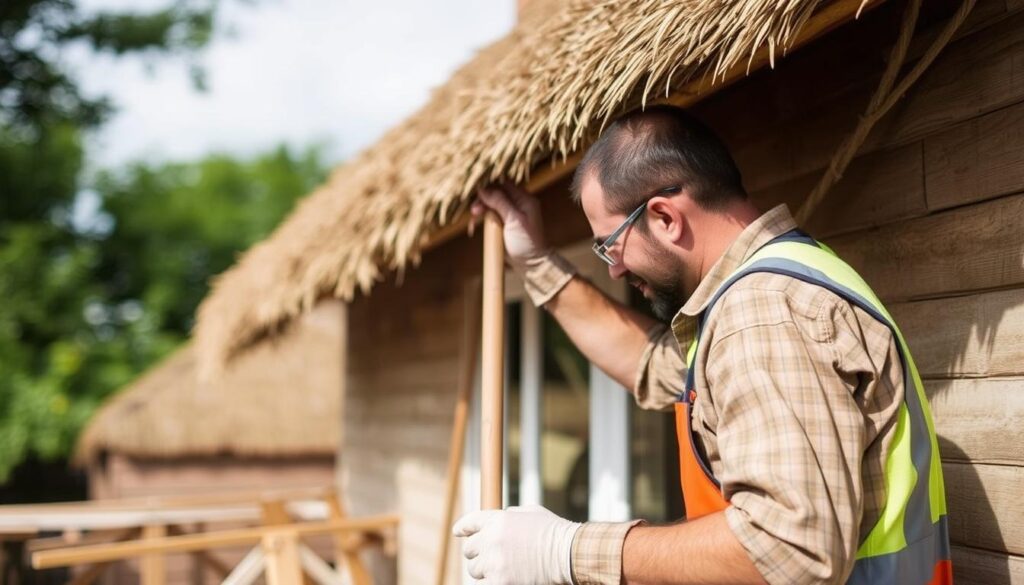
Complete thatched roof installation typically costs between R500 and R800 per square metre. This investment includes approximately 95 bundles of quality thatching grass per square metre. Skilled labour from specialist contractors brings years of expertise to your project.
Concrete tile roof installation reveals similar initial pricing at R500-R800 per square metre. However, what’s included differs significantly from thatched roofs. Your investment covers the tiles themselves, battens, underlayment and waterproofing systems.
It also includes all accessories like ridge caps and valley tiles. Ceramic and terracotta tile pricing increases to R600-R900 per square metre. These premium tile options justify their higher cost through exceptional durability.
| Roofing Material | Price Range per m² | Material Cost Component | Labour Cost Component |
|---|---|---|---|
| Thatched Roofing | R500-R800 | 40% (grass bundles, fire treatment) | 60% (specialist craftsmanship) |
| Concrete Tiles | R500-R800 | 40% (tiles, battens, underlayment) | 60% (installation, accessories) |
| Clay/Terracotta Tiles | R600-R900 | 45% (premium tiles, systems) | 55% (specialist installation) |
| Premium Slate | R700-R1,000 | 50% (slate materials, flashing) | 50% (expert craftsmanship) |
Premium slate roofing sits at the top of the initial investment scale. Prices range from R700 to R1,000 per square metre. Cutting costs and hook installation requirements contribute to this pricing.
Specialist tools that experienced contractors bring ensure proper installation. Imported slate can push prices even higher for premium international materials. However, locally sourced slate reduces transportation expenses whilst still delivering prestigious appearance.
Beyond the roofing material itself, additional initial expenses apply regardless of your choice. Roof removal costs typically range from R50 to R100 per square metre. This covers safe dismantling, debris handling, and site preparation.
Some homes require structural reinforcement before installation, particularly for heavier materials. Concrete tiles weigh approximately 45-50 kg per square metre. Slate can reach up to 65 kg per square metre.
Your existing roof structure might need strengthening to handle these loads safely. Pitch requirements and architectural complexity significantly influence labour costs. A straightforward rectangular roof costs less per square metre than complex designs.
Building permits and professional inspections typically cost between R1,000 and R1,800 for residential properties. These regulatory requirements ensure your new roof meets local building codes. They also guarantee safety standards compliance.
Let’s look at a practical example. For a typical 150-square-metre roof in Pretoria, your total investment might look like this:
- Thatched roof: R75,000-R120,000 (including fire treatment and netting systems)
- Concrete tile roof: R75,000-R120,000 (with battening, underlayment, and accessories)
- Clay/terracotta tile roof: R90,000-R135,000 (premium materials and installation)
- Slate roof: R105,000-R150,000 (including flashing expenses and specialist installation)
These figures include safety equipment, scaffolding, waste removal, and all necessary materials. We provide detailed quotations that break down every component. You’ll never face unexpected surprises during your project.
At Handyman Pretoria, we specialise in accurate cost assessments for your specific roof design. Our transparent approach means you’ll understand exactly where your investment goes. Contact us before work begins for a detailed breakdown.
Calculating Ongoing Costs and Lifecycle Value
The true cost of your roof extends far beyond installation day. We’ve helped hundreds of South African homeowners understand maintenance requirements. Replacement cycles significantly affect long-term value.
Your thatched roof demands more attention than other roofing materials. Annual professional inspections identify potential issues early. Fire treatment reapplication every three to five years remains essential for safety.
Ridge construction requires specialist maintenance every 10-12 years. Repair frequency increases as the material ages. Complete re-thatching becomes necessary every 15-25 years, depending on material quality and weather exposure.
| Roofing Type | Expected Lifespan | Annual Maintenance Cost per m² | 50-Year Total Cost per m² |
|---|---|---|---|
| Thatched Roof | 15-25 years | R32-R53 | R1,600-R2,650 |
| Concrete Tiles | 50+ years | R10-R16 | R500-R800 |
| Clay/Terracotta Tiles | 100+ years | R6-R9 | R300-R450 |
| Premium Slate | 100-150+ years | R7-R10 | R350-R500 |
Interlocking tile expenses over time reveal a clearer financial picture. Concrete tiles require periodic cleaning and occasional tile replacement if damage occurs. Sealing every 10-15 years maintains water resistance.
These maintenance tasks cost significantly less than complete roof replacement. Clay and terracotta options demonstrate exceptional lifecycle value. The 100-year-plus lifespan means your grandchildren might still benefit from your investment.
Maintenance remains minimal—primarily gutter cleaning and occasional tile replacement after severe storms. Slate roofs tell perhaps the most compelling long-term story. Despite premium installation prices, the material’s 100-150+ year durability protects multiple generations.
Visual inspections every 5-10 years and prompt replacement of damaged tiles represent primary maintenance requirements. Proper gutter compatibility and drainage systems prevent the few issues that slate roofs experience. We’ve seen century-old slate roofs performing beautifully with proper installation and water management.
Here’s what ongoing maintenance involves for each roofing type:
- Thatched roofs: Annual inspections by specialists, fire treatment every 3-5 years, ridge repairs every 10-12 years, complete replacement every 15-25 years
- Concrete tile roofs: Twice-yearly gutter cleaning, moss removal as needed, occasional cracked tile replacement, resealing every 10-15 years
- Clay/terracotta tile roofs: Gutter maintenance, visual inspections, individual tile replacement only when damaged
- Slate roofs: Visual inspections every 5-10 years, replacement of damaged tiles, gutter and flashing maintenance
Water reed pricing and seasonal installation requirements mean replacement projects require careful planning. You can’t simply schedule re-thatching whenever convenient. Weather conditions, grass availability, and contractor schedules all factor into timing.
Tile warehouse costs remain relatively stable throughout the year. This makes extension pricing predictable for roof expansions. This flexibility represents another advantage for home additions or renovations.
Understanding Fire Safety and Insurance Expenses
Fire safety considerations dramatically impact the true cost of thatched roofing. Fire treatment costs begin with initial application during installation. This typically adds R50-R100 per square metre to your project.
However, ongoing insurance costs represent the more significant long-term expense. Insurance companies recognise the fire risk associated with thatch. They typically charge 20-40% higher premiums compared to tile or slate roofs.
Let’s put this in perspective with real numbers. If your standard home insurance costs R3,000 monthly, a thatched roof might add R600-R1,200 monthly. Over 25 years, this accumulates to R180,000-R360,000 in extra insurance costs alone.
Fire treatment chemicals require reapplication every three to five years. Each application costs R30-R60 per square metre. For a 150-square-metre roof, this means R4,500-R9,000 every few years.
| Fire Safety Component | Initial Cost | Reapplication Frequency | 25-Year Total |
|---|---|---|---|
| Fire Retardant Treatment | R50-R100/m² | Every 3-5 years | R150-R300/m² |
| Additional Insurance Premium | R600-R1,200/month | Ongoing monthly | R180,000-R360,000 (total property) |
| Safety Equipment (optional) | R15,000-R50,000 | One-time or upgrade | R15,000-R50,000 |
Some insurers require additional fire safety measures for thatched properties. These might include sprinkler systems, lightning protection, or fire breaks. Enhanced fire detection systems may also be necessary.
Each requirement adds to your initial and ongoing costs. Municipal regulations vary significantly across South Africa regarding thatched roofs. Some urban areas severely restrict or prohibit new thatched installations due to fire risk.
Estate developments and rural properties typically welcome thatch. Even these locations often mandate specific fire safety protocols. Tile and slate roofs offer natural fire resistance that insurers reward.
Many insurance companies provide discounts for these materials. This translates to lower premiums throughout your ownership period. We always encourage homeowners considering thatch to contact insurance providers early.
Understanding the precise insurance implications for your specific property prevents unpleasant financial surprises. Contact insurers before installation to get accurate cost projections. This helps you make an informed decision about your roofing material.
How Location Affects Your Roofing Investment
Regional pricing varies considerably across South Africa’s diverse regions. We’ve completed projects from Cape Town to Durban. The cost differences often surprise homeowners researching their options.
Johannesburg and Gauteng serve as our baseline for pricing comparisons. The concentration of suppliers, manufacturers, and contractors creates competitive market conditions. Most tile production facilities and major suppliers maintain operations here.
Pretoria and Centurion typically mirror Johannesburg pricing. Variations remain just 0-5% in most cases. Our operations throughout Gauteng mean we can offer consistent, competitive pricing.
| Region | Price Variation vs. Gauteng | Primary Cost Factors |
|---|---|---|
| Johannesburg/Gauteng | Baseline (0%) | Supplier concentration, competitive market |
| Pretoria/Centurion | 0-5% higher | Similar market conditions, minimal transport |
| Cape Town/Western Cape | 5-10% higher | Material transport costs, premium labour rates |
| Durban/KwaZulu-Natal | 5-15% higher | Coastal logistics, humidity-related requirements |
| Eastern Cape/Rural Areas | 10-20% higher | Contractor travel time, limited supplier access |
Cape Town and the Western Cape typically see prices 5-10% higher than Gauteng. Material transportation costs contribute to this increase. Generally higher labour rates in the region also play a role.
However, the Western Cape benefits from local tile manufacturing facilities and slate quarries. Durban and coastal KwaZulu-Natal regions experience 5-15% higher costs. The coastal environment demands additional weather-resistant treatments.
Transporting heavy materials from inland manufacturing centres adds significant expenses. Weather delays occur more frequently in high-rainfall coastal areas. This potentially extends installation timelines.
Eastern Cape and rural areas face the most significant regional pricing variations. Costs may run 10-20% higher than Gauteng baseline prices. Limited local supplier availability means materials travel longer distances.
Contractor travel time and accommodation for multi-day projects add to labour expenses. Interestingly, thatched roof regional pricing doesn’t always follow this pattern. Coastal areas with local reed beds might enjoy more affordable thatching grass supplies.
However, high demand for skilled thatchers in estate developments often drives up prices. The availability of specialist contractors varies by region. Gauteng, Western Cape, and KwaZulu-Natal maintain strong pools of experienced thatchers.
More remote areas might face limited contractor availability. This can increase costs and extend scheduling timelines. Period restoration and manor house costs carry additional premiums in heritage areas.
Properties in historically significant regions face specialised sourcing challenges. Authentic period materials increase both material and labour expenses. Local building codes introduce another layer of regional variation.
High-wind coastal areas might require additional structural reinforcement for heavy slate roofs. These structural modifications add to the base installation cost. However, they ensure long-term safety and performance.
Obtaining multiple detailed quotes from qualified contractors remains essential regardless of your location. At Handyman Pretoria, we provide transparent pricing for your specific region. We account for property characteristics and material preferences.
Our expertise extends beyond Gauteng. We understand the unique challenges that different South African regions present. Whether you’re building in an urban suburb or rural estate, we’ll provide an accurate assessment.
Ready to move forward with your roofing project? Contact us for a personalised quotation. We’ll visit your property and assess your roof’s size and complexity.
We’ll discuss your aesthetic and functional preferences. Then we’ll provide detailed pricing that breaks down every component of your investment. Remember that the cheapest initial quote doesn’t always represent the best value.
Quality materials, expert installation, and comprehensive warranties protect your investment for decades. We’re committed to helping you find the right balance. Our goal is balancing initial cost with
Cost of a Thatched Roof vs. a Tiled or Slate Roof: Conclusion
We’ve explored the cost of a thatched roof versus tiled or slate roofing across South Africa. Clear pricing benchmarks help guide your decision. Thatched roofs at R500-R800/m² deliver traditional charm and natural insulation.
Tile options range from R500-R900/m² offering practical durability. Slate roofing sits at R700-R1,000/m² providing premium longevity.
Your final choice depends on your budget and property style. Climate conditions and maintenance commitment also matter. Remember that roof removal adds R50-R100/m² to any replacement project.
Thatched roof replacement requires regular maintenance every few years. Slate roof installation reflects minimal upkeep over decades.
We strongly recommend gathering quotes from multiple professionals. Compare concrete tile and clay tile installation costs carefully. Verify each contractor’s credentials, insurance coverage, and specific material experience.
At Handyman Pretoria, we specialise in all roofing materials throughout Pretoria, Centurion, and Johannesburg. Our team provides honest assessments and detailed quotations tailored to your property. We help you make the right investment for your home’s protection and value.