
Construction Costs by Province: Save on Professional Fees Construction Province Difference with the Right Knowledge in Pretoria, East, North, Centurion, Midrand, Johannesburg, Sandton & Gauteng
Understanding Construction Costs by Province is essential for successfully planning your project in 2026. You might be shocked to discover the major price gaps for building materials and labor, even between nearby cities like Johannesburg and Pretoria. These hidden differences can easily break your budget and cause major delays before you even start.
Don’t let regional price changes put your project at risk. Partner with us to get precise, up-to-date cost data for your specific area. Contact our experts today to build a reliable budget and move forward with total confidence.

South african construction cost estimates range from R6,000 to R20,000 per square metre. This depends on materials, location, and design complexity.
A 75 square metre home might cost between R750,000 and R1,125,000. Larger 125 square metre properties can reach R1,875,000.
Local knowledge is key when dealing with residential construction rates. Companies like Handyman Pretoria know the local market well.
They help clients understand building materials cost variation and labour expenses in Gauteng and beyond. This knowledge is crucial for making smart decisions – Contact Us!
Construction Costs by Province: Understanding South African Construction Market Dynamics in 2026
Construction costs in South Africa reflect complex market forces that vary by region. The industry faces global economic pressures, local supply chain challenges, and changing regulations. These factors create significant cost variations between provinces, making regional market understanding crucial.
The construction sector adapts to post-pandemic realities while dealing with currency and material price changes. Supply chain disruptions now define the market, affecting building materials and specialised equipment.
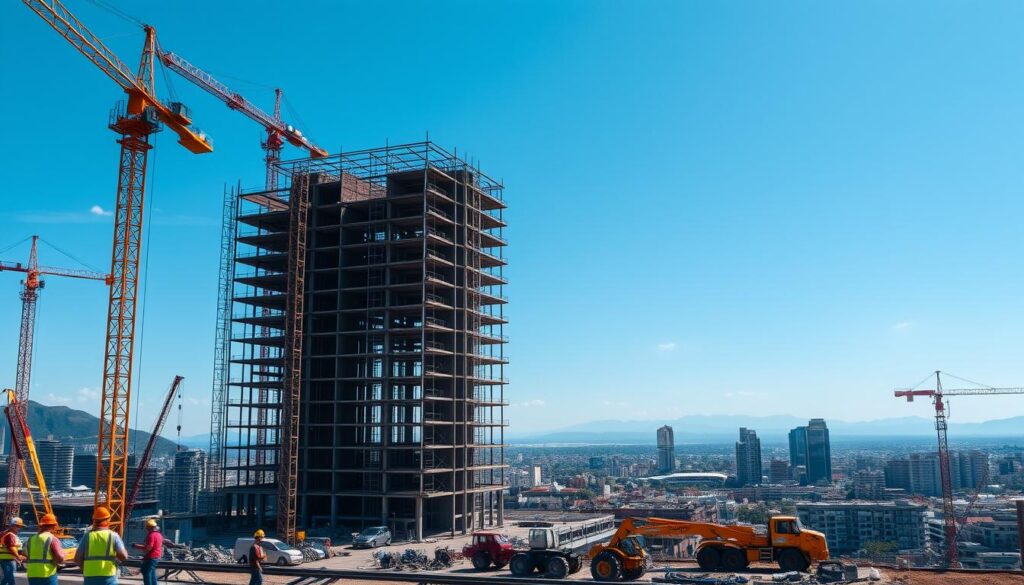
Handyman Pretoria’s experience in Gauteng offers insights into regional market dynamics. Our local knowledge helps clients navigate pricing structures and make informed construction decisions.
Current Market Trends and Economic Factors
Key trends are reshaping South Africa’s construction market in 2026. Interest rate changes impact project financing, while rand volatility affects imported material costs. Demand for sustainable building is rising, increasing eco-friendly material costs but potentially reducing long-term expenses.
The skills shortage affects project timelines and labour costs. Skilled tradespeople demand higher rates, especially in Johannesburg and Cape Town. This shortage creates a competitive environment where experienced contractors can negotiate better fees.
Government infrastructure spending influences private sector construction costs. Public projects can increase material and labour expenses for private developments. Construction cost management services have improved to meet these challenges.
Technology use is growing in the industry. Digital tools and building information modelling are becoming standard. These initially increase costs but ultimately improve efficiency and reduce waste.
Material Cost Fluctuations Across Regions
Material costs vary between provinces due to transport and local manufacturing. Cement prices can differ by 10-15% between coastal and inland areas. Western Cape often has lower costs due to nearby factories.
Steel prices change based on imports and local production. The cheapest province to build in often links to ports and manufacturing centres. Eastern Cape benefits from car industry steel production, while Gauteng uses its industrial base.
Brick and aggregate costs depend on local quarry availability. Provinces with clay deposits and stone quarries keep competitive pricing. Transport costs can add 20-30% to material expenses when sourcing from far suppliers.
Imported materials like special roofing systems show less regional variation but depend on currency changes. The most expensive province for construction typically has higher logistics costs and fewer local suppliers.
| Material Category | Cost Range per Unit | Regional Variation | Primary Cost Drivers |
|---|---|---|---|
| Structural Work | R7,000 – R15,000/sqm | High | Labour rates, steel prices |
| Roofing | R500 – R1,000/sqm | Medium | Material type, installation complexity |
| Brickwork | R500 – R800/sqm | Medium | Local brick availability, labour costs |
| Plastering | R80 – R150/sqm | Low | Labour rates, finish quality |
Labour Rate Variations by Province
Labour costs are the biggest variable in provincial construction expenses. Gauteng construction cost analysis shows high rates due to living costs and worker demand. Johannesburg and Pretoria have the highest labour rates nationally.
Western Cape building prices reflect similar high labour costs, especially in Cape Town’s competitive market. Skilled workers in these provinces earn 20-40% more than in rural areas. Union agreements and minimum wages add cost pressures in major cities.
Rural provinces offer lower labour rates but may lack specialised skills. This creates a trade-off between cheaper hourly rates and longer project times. Travel and accommodation costs for skilled workers can offset initial savings.
Professional service costs vary greatly between provinces. Quantity surveyor costs show big differences, with major centres charging more for expertise. Architectural design fees follow similar patterns, reflecting higher urban overhead costs.
Construction permit fees also influence total labour-related expenses. Some provinces have faster approval processes, reducing consultation time and costs. Others need more documentation, increasing professional service expenses.
Engineering consultancy rates reflect local market conditions and available expertise. Provinces with established construction industries have competitive professional services markets. Areas with limited activity may need to import expertise at higher rates.
Construction Costs by Province: Comprehensive Regional Breakdown – Construction Costs by Province
Geographic location greatly impacts project budgets across South African markets. This regional variation helps developers and homeowners make smart investment choices. Our analysis provides up-to-date pricing information for each major province.
South African building costs differ between cities and rural areas. These variations stem from material transport, labour availability, and local economic factors. Let’s explore how construction expenses compare across provinces.
Gauteng Province: Johannesburg, Pretoria, and Benoni Pricing – Construction Costs by Province
Gauteng leads South Africa’s construction sector with high activity and competitive pricing. The province boasts developed infrastructure and skilled labour. However, land costs often push overall project expenses higher than other regions.
Our Gauteng experience shows how location within the province significantly impacts costs. Johannesburg’s CBD commands premium rates. Areas like Benoni offer more affordable options without sacrificing quality or accessibility.
Residential Building Costs per Square Metre
Gauteng leads in pricing variety and complexity. Residential construction costs range from R10,000 to R15,000 per square metre. This depends on finishing standards and location specifics.
Here’s how different house sizes translate into total project costs:
- 50m² homes: R300,000 to R1,200,000
- 100m² properties: R600,000 to R2,400,000
- 150m² residences: R900,000 to R3,600,000
- 200m² luxury homes: R1,200,000 to R4,800,000
These ranges reflect various finishing levels, from basic to luxury. Premium materials and custom designs can push costs towards the upper ranges. Standard finishes keep projects more affordable.
Commercial Construction Rates
Commercial construction costs vary across Gauteng’s business districts. Office buildings typically cost between R15,000 and R20,000 per square metre. A 100-square-metre office space requires R1.5 to R2 million investment.
Retail construction costs range from R12,000 to R18,000 per square metre. Industrial facilities are most economical, ranging from R7,000 to R12,000 per square metre. These lower costs reflect simpler finishes and standardised methods.
“Gauteng’s construction market offers the best balance of skilled labour, material availability, and infrastructure support, making it ideal for both residential and commercial projects.”
Western Cape Construction Expenses
The Western Cape presents unique challenges for construction cost estimation. Cape Town’s stunning geography comes with premium pricing, often matching or exceeding Gauteng rates. Material transport from inland suppliers adds 8-12% to overall project expenses.
Coastal construction requires extra protection against salt air and wind. These factors typically add R1,500 to R3,000 per square metre to standard costs. The province’s excellent infrastructure and skilled workforce help offset some expense increases.
The Western Cape maintains steady growth in building costs. Residential projects average R12,000 to R18,000 per square metre. Commercial developments range from R16,000 to R22,000 per square metre.
KwaZulu-Natal Building Costs
KwaZulu-Natal offers good value for construction projects, especially outside Durban. The subtropical climate requires specific building techniques and materials. Overall costs remain competitive with national averages.
Coastal areas near Durban command premium pricing similar to other major cities. Inland regions offer significant savings, with residential costs dropping to R8,000-R13,000 per square metre.
The growing industrial sector creates strong demand for commercial construction. Warehouse and manufacturing facilities cost between R6,000 and R10,000 per square metre. This makes KwaZulu-Natal attractive for industrial development.
Eastern Cape and Free State Pricing Comparison
These provinces offer the most affordable construction costs in South Africa. Rates are typically 20-30% lower than major metropolitan areas. The Eastern Cape’s developing infrastructure creates both opportunities and challenges for projects.
Residential construction averages R7,000 to R12,000 per square metre in the Eastern Cape. The Free State offers similar pricing with slightly better infrastructure access.
| Province | Residential (R/m²) | Commercial (R/m²) | Industrial (R/m²) |
|---|---|---|---|
| Gauteng | R10,000-R15,000 | R15,000-R20,000 | R7,000-R12,000 |
| Western Cape | R12,000-R18,000 | R16,000-R22,000 | R8,000-R13,000 |
| KwaZulu-Natal | R8,000-R13,000 | R12,000-R18,000 | R6,000-R10,000 |
| Eastern Cape | R7,000-R12,000 | R10,000-R15,000 | R5,000-R9,000 |
Free State construction benefits from central location and excellent transport links. This keeps material costs reasonable and provides easy access to skilled labour. Both provinces offer excellent opportunities for cost-conscious developers seeking quality construction at competitive rates.
These regions show continued growth in the construction market. Government investments and industrial incentives make them attractive for large-scale projects. Luxury home building costs remain significantly lower here, offering excellent value for discerning buyers.
Key Factors Influencing Provincial Construction Expenses – Construction Costs by Province
Building costs vary greatly across South Africa due to several critical elements. Four primary factors consistently impact construction budgets, regardless of project size or type.
These regional factors help developers, homeowners, and contractors make smarter financial decisions. Each factor interconnects with others, creating complex pricing structures that differ between locations.
Geographic Location and Accessibility – Construction Costs by Province
Location affects material transport costs and labour availability. Provinces near major ports typically enjoy lower material costs due to reduced shipping expenses.
Inland provinces pay more for heavy materials like cement, steel, and bricks. The Free State and Northern Cape often pay 15-25% more compared to coastal areas.
Mountainous terrain increases site preparation expenses. Flat provinces offer easier construction conditions, reducing equipment and labour requirements.
Value engineering provincial construction is crucial in remote areas where material delivery costs escalate. Companies like Handyman Pretoria use local knowledge to find cost-effective materials in Gauteng.
Local Building Regulations and Permit Fees
Each province implements national building codes differently, affecting total project expenses. Some areas require additional earthquake resistance measures or environmental compliance standards.
Permit fees vary between municipalities. Major cities often charge more than rural areas, with some charging double the fees of smaller towns.
Processing timeframes differ dramatically. Western Cape might process permits within 6-8 weeks, whilst some Eastern Cape areas require 12-16 weeks, increasing costs.
| Province | Average Permit Fee (R) | Processing Time (Weeks) | Additional Requirements |
|---|---|---|---|
| Gauteng | R25,000 – R45,000 | 8-12 | Environmental impact assessment |
| Western Cape | R30,000 – R55,000 | 6-10 | Water usage restrictions |
| KwaZulu-Natal | R20,000 – R35,000 | 10-14 | Coastal zone compliance |
| Free State | R15,000 – R25,000 | 12-16 | Agricultural land conversion |
Professional Services and Consultation Costs
Skilled professionals in major centres create significant price disparities. Quantity surveyors in Cape Town may charge double the rates of those in smaller provinces.
Architectural and engineering services follow similar patterns. Building cost per square metre province specific calculations must account for these fee variations.
Specialist consultants are often scarce in remote areas. This scarcity drives up consultation costs and project timeframes.
Local expertise is invaluable for navigating these complexities efficiently. Handyman Pretoria’s regional knowledge helps identify cost-saving opportunities that outsiders might miss.
Site Preparation and Infrastructure Requirements
Soil conditions vary across provinces, affecting foundation requirements and excavation costs. Clay-rich soils in Gauteng need different approaches compared to sandy Western Cape conditions.
Existing infrastructure availability impacts connection costs. Urban areas offer established utilities, whilst rural locations require expensive new connections.
Environmental considerations create additional site preparation expenses. Wetlands require special permits, whilst heritage sites need archaeological assessments.
Construction cost fluctuations impact province planning when unforeseen ground conditions emerge. Rocky terrain increases excavation costs, whilst poor drainage requires additional site work.
These factors create a complex South African construction industry cost structure. Accurate budgeting requires local expertise and detailed site analysis.
Conclusion – Construction Costs by Province
Construction costs in Gauteng vary greatly compared to other regions. This knowledge helps you make smarter project choices. Johannesburg building costs are typically higher than rural areas. Pretoria’s average costs reflect premium urban pricing.
Sandton’s construction rates are top-tier, but offer superior infrastructure. Centurion shows similar patterns, where higher investment often means better long-term value.
Successful projects need careful planning and local know-how. Professional partners provide clear 2026 pricing estimates for Johannesburg. They ensure you understand Pretoria’s rates before committing.
This breakdown of Gauteng’s residential construction costs helps prevent budget issues. It also aids in avoiding delays in your project.
For commercial or residential builds, trusted local contractors are crucial. Companies like Handyman Pretoria bring deep regional expertise. They understand supplier networks and regulations that affect your costs.
Start with a reliable online building cost estimator for Gauteng. Then, consult local pros for accurate quotes. This approach ensures optimal value and meets all quality standards across South African provinces.